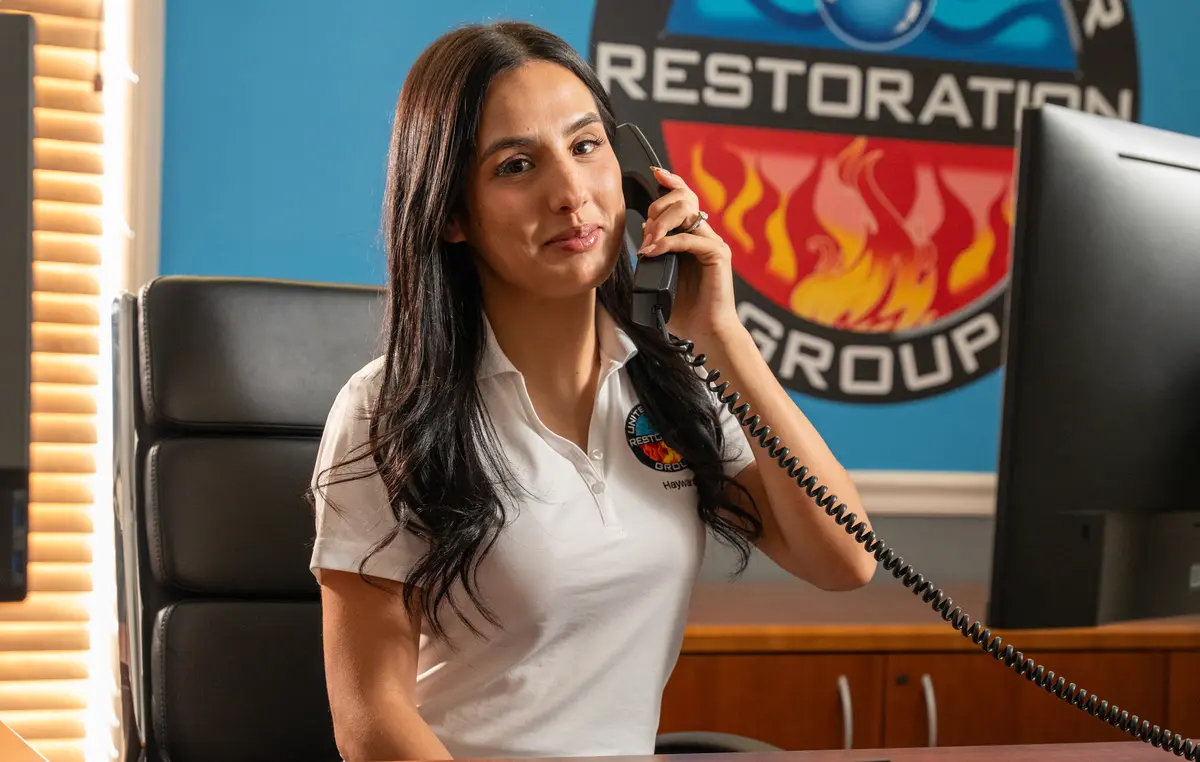
When you notice a musty odor or suspicious spots in your Saint Louis home, it often indicates a mold problem. Calling United Water Restoration Group of St. Louis - West provides you with immediate access to professional mold remediation. Our expert team manages every step of the process, from containment to removal, following the rigorous IICRC S520 standard. By employing advanced HEPA filtering technology and precise moisture source identification, we ensure a comprehensive approach to mold eradication. Our local understanding of the specific challenges homes in St. Louis face means we are particularly attuned to the needs of our community. From your first phone call, you'll be supported by experienced professionals dedicated to restoring your home to a safe and healthy environment, offering both prompt service and peace of mind.
In Saint Ann, where full basements are the norm, United Water Restoration Group of St. Louis - West is your trusted partner for 24/7 emergency restoration. Whether it’s a sump pump issue, sewer backup, or storm damage, our local team works year-round to assess the damage quickly and ensure a smooth restoration process.
Crews dispatch 24/7 from our St. Louis base at 1149 Reco Avenue and cover all of Saint Ann —
one local team, no subcontracted call centers. See all
services in Saint Ann or read more about
mold remediation.
Common Causes We See in Saint Ann
High attic mold levels, due to insufficient ventilation, common in poorly insulated spaces
Crawl space mold, from rising basement humidity often aggravated by inadequate sealing
Bathroom mold growth, linked to inadequate ventilation, is frequent in areas with poor exhaust fans
Hidden leaks, causing mold behind your walls, typically from old or faulty plumbing systems
Stubborn condensation, on windows and doors, resulting from high indoor humidity levels
Faulty plumbing, leading to slow leaks, often disregarded until mold appears
Roof leaks, which introduce moisture into attics, particularly during heavy rainfall
Poorly sealed foundations, allowing moisture ingress, particularly in older homes
Flooding events, which can saturate household contents, creating conditions ripe for mold
Indoor plants, which can inadvertently increase local humidity levels if overwatered
While You Wait for the Crew
A few minutes of the right first moves can save thousands in damage. Here is what to do — and what not to do — before we reach Saint Ann.
Do
Identify and resolve any active water leaks promptly to prevent further moisture intrusion
Increase ventilation to reduce moisture buildup, especially in frequently used areas
Vacuum floors with a HEPA filter vacuum to pick up spores without spreading them
Wipe down surfaces with mild detergent and water to reduce visible molds until professional help arrives
Keep affected areas as dry as possible using fans or dehumidifiers, avoiding excessive moisture
Don’t
Don’t use bleach to clean visible mold as it may worsen the situation by releasing additional spores
Avoid disturbing the mold, which can release spores into the air, increasing spread and health risk
Refrain from covering up mold with paint or sealants, which only masks the problem temporarily
Do not attempt major dehumidification or removal without professional guidance, as incorrect methods can exacerbate the problem
We conduct a thorough inspection to identify all areas affected by mold and the source of moisture using both visual inspection and advanced tools like moisture meters. Air sampling may also be utilized to evaluate indoor air quality.
2
Containment
Using 6-mil plastic sheeting, we establish containment barriers to isolate impacted areas. Combined with negative air pressure machines, this prevents the spread of mold spores during remediation.
3
Removal and Cleaning
Materials contaminated with mold are removed and disposed of according to industry standards. HEPA vacuuming and antimicrobial treatments are employed to clean and sanitize all surfaces effectively.
4
Drying and Dehumidification
Through the use of industrial-grade dehumidifiers, we remove any lingering moisture. This step ensures mold does not return by maintaining indoor humidity at below 50 percent.
5
Verification
Once remediation is complete, post-remediation verification, including third-party clearance testing, confirms the complete removal of mold to established safe levels, ensuring your home is healthy and habitable.
We Work With Your Insurance
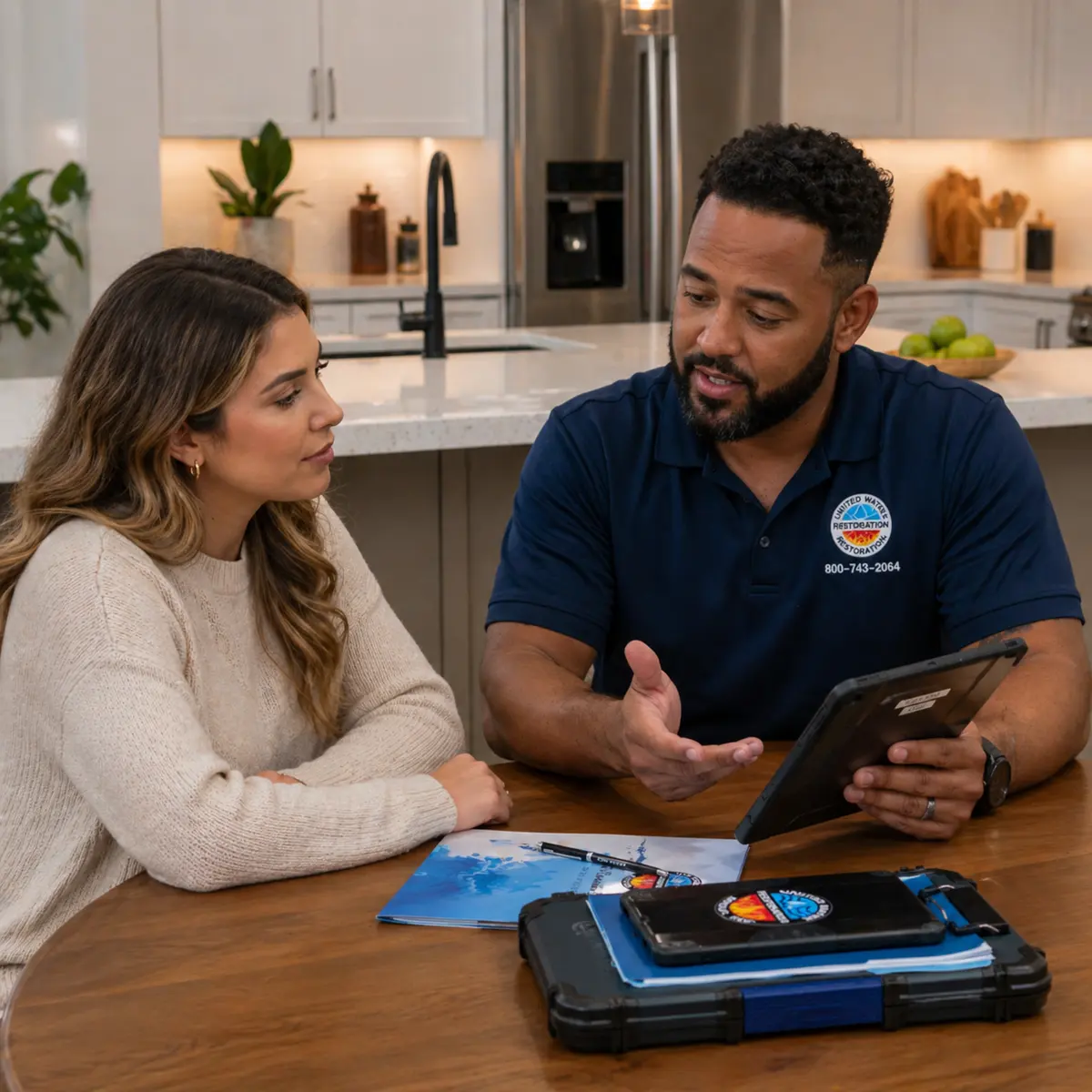
Our crews document everything — photos, moisture readings, and a clear scope of work — in the format adjusters expect, and we communicate with your insurance company throughout the job. Saint Ann homeowners always know what is happening and what their policy covers before work begins.
Frequently Asked Questions
How fast can you respond to a mold remediation emergency in Saint Ann?
Our crews are local and dispatch around the clock — no subcontracted call center. Call (314) 455-5900, tell us what you are seeing, and we will give you an honest arrival window for your address and talk you through what to do until the crew gets there.
Does insurance cover mold remediation?
In most cases yes, depending on your policy and the cause of the damage. We document everything, use the same estimating standards insurance companies use, and work directly with your adjuster so the claim goes smoothly.
How much does mold remediation cost in Saint Ann?
Every job is different, so we start with an inspection and give you a clear written estimate before any work begins. When insurance is involved, our scope lines up with your claim — no surprise bills.
Why choose United Water Restoration Group of St. Louis - West?
We are local to Saint Ann, certified to IICRC industry standards, available 24/7, and we handle everything from emergency cleanup through full reconstruction — one team, start to finish.